
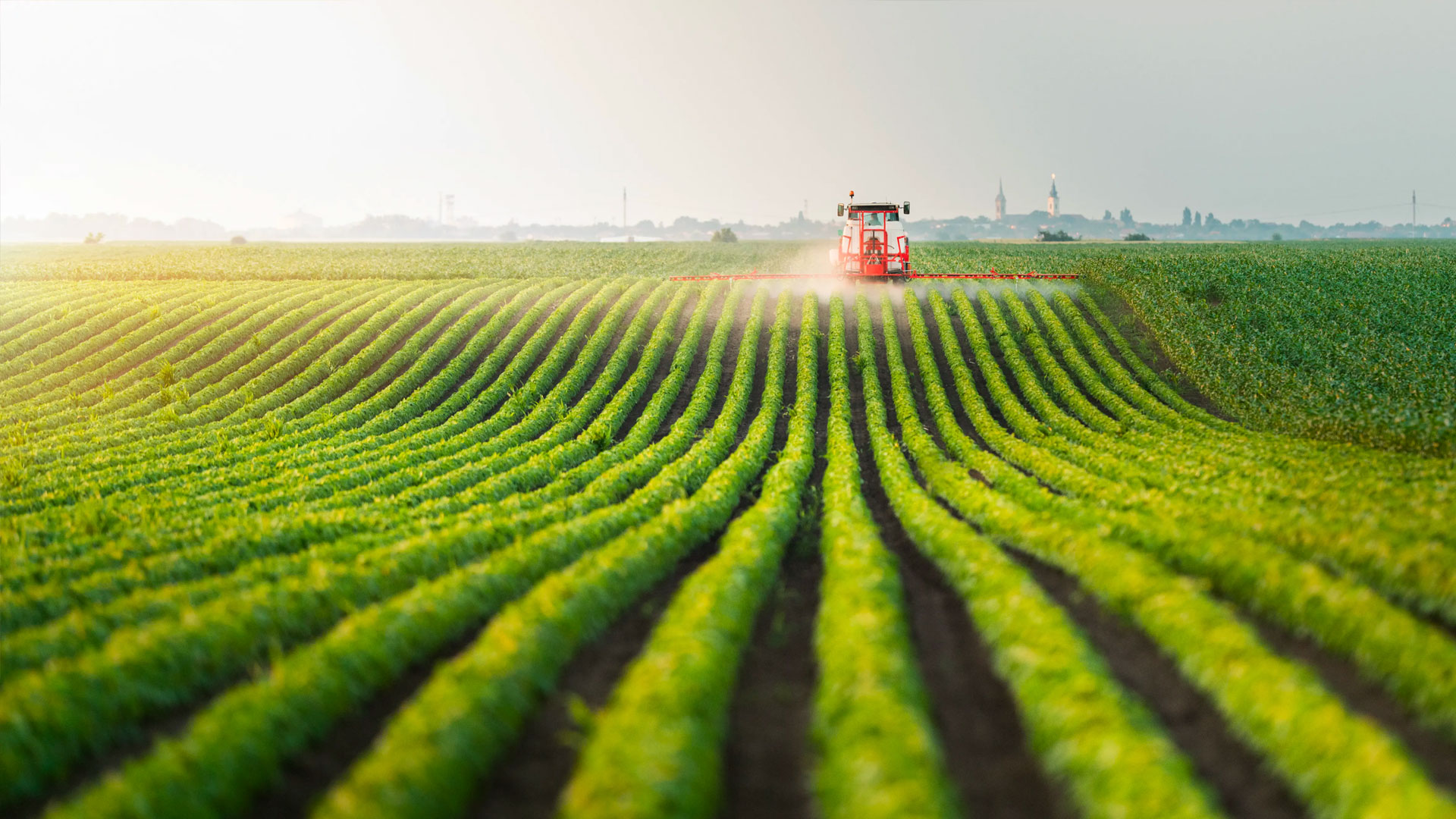
 The Food and Agriculture Sector is almost entirely privately owned and includes about 2.1 million farms, 935,000 restaurants, and over 200,000 registered food manufacturing, processing, and storage facilities. It accounts for roughly one-fifth of the U.S. economy.
It depends heavily on several other sectors, especially Water and Wastewater Systems (for irrigation and processing water), Transportation Systems (for moving goods and livestock), Energy (to power production and processing), and the Chemical sector (for fertilizers and pesticides).
 The Financial Services Sector includes depository institutions, investment providers, insurance companies, credit and financing organizations, and the financial utilities that support them. It ranges from large global firms with billions in assets and thousands of employees to small community banks and credit unions serving local areas. It is a vital part of the nation’s critical infrastructure and faces risks such as large-scale power outages, natural disasters, and increasingly sophisticated cyberattacks.
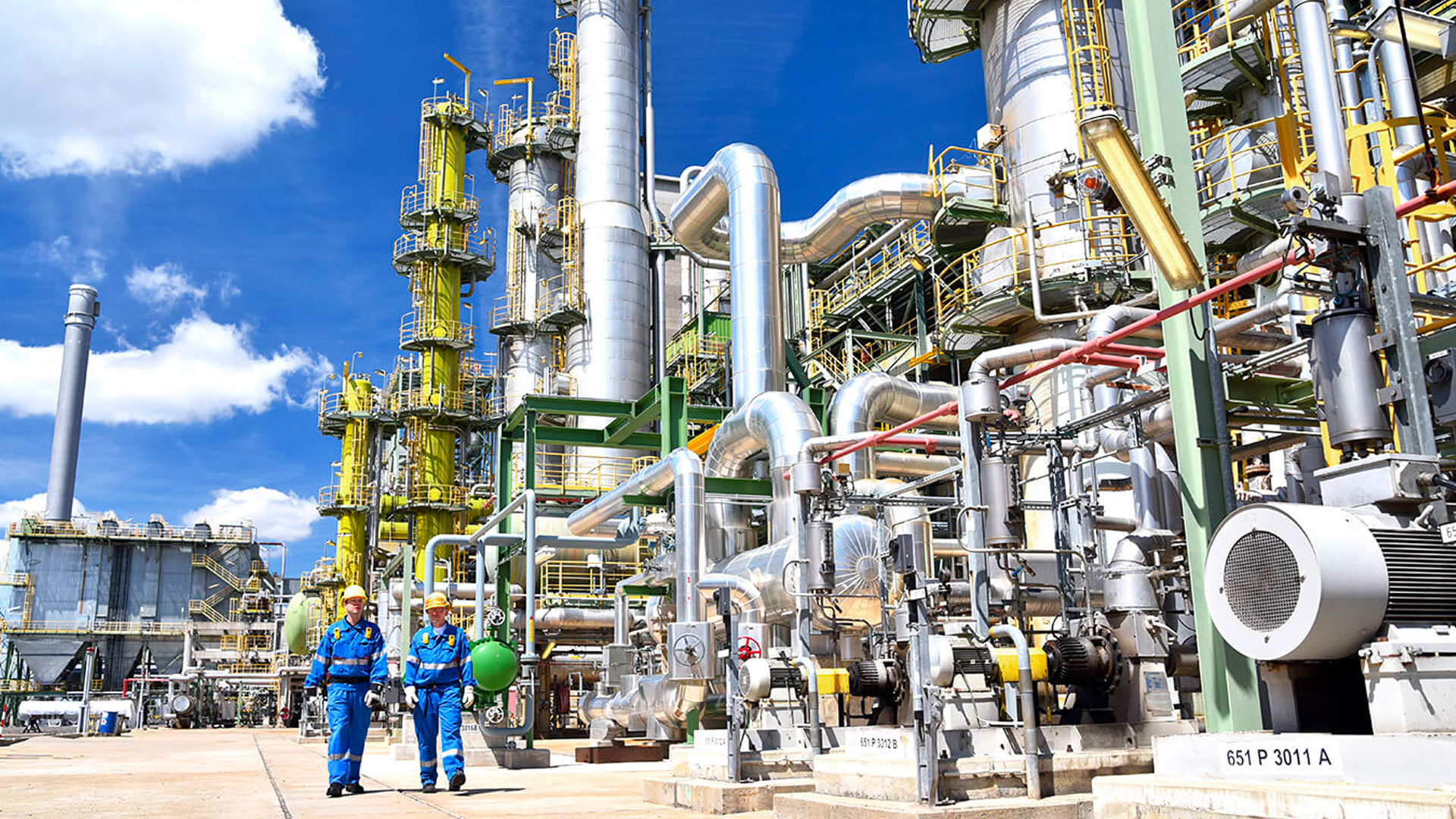 The Chemical Sector includes hundreds of thousands of U.S. facilities within a global supply chain and converts raw materials into more than 70,000 essential products. It is divided into five main segments with distinct markets growth dynamics, markets, new developments, and issues: basic chemicals, specialty chemicals, agricultural chemicals, pharmaceuticals, and consumer products.
 The Commercial Facilities Sector includes a wide range of publicly accessible sites that attract large crowds for shopping, business, entertainment, or lodging. These facilities generally operate on open access principles, allowing free public movement with minimal visible security barriers, and are mostly privately owned with limited federal involvement.
The sector is made up of eight subsectors: Entertainment and Media (e.g., film studios, broadcast media), Gaming (casinos), Lodging (hotels, motels, conference centers), Outdoor Events (theme parks, fairs, campgrounds, parades), Public Assembly (theatres, arenas, stadiums, museums, zoos, convention centers), Real Estate (office and residential buildings, mixed-use spaces, self-storage), Retail (shopping malls and retail districts), and Sports Leagues (professional leagues and federations).
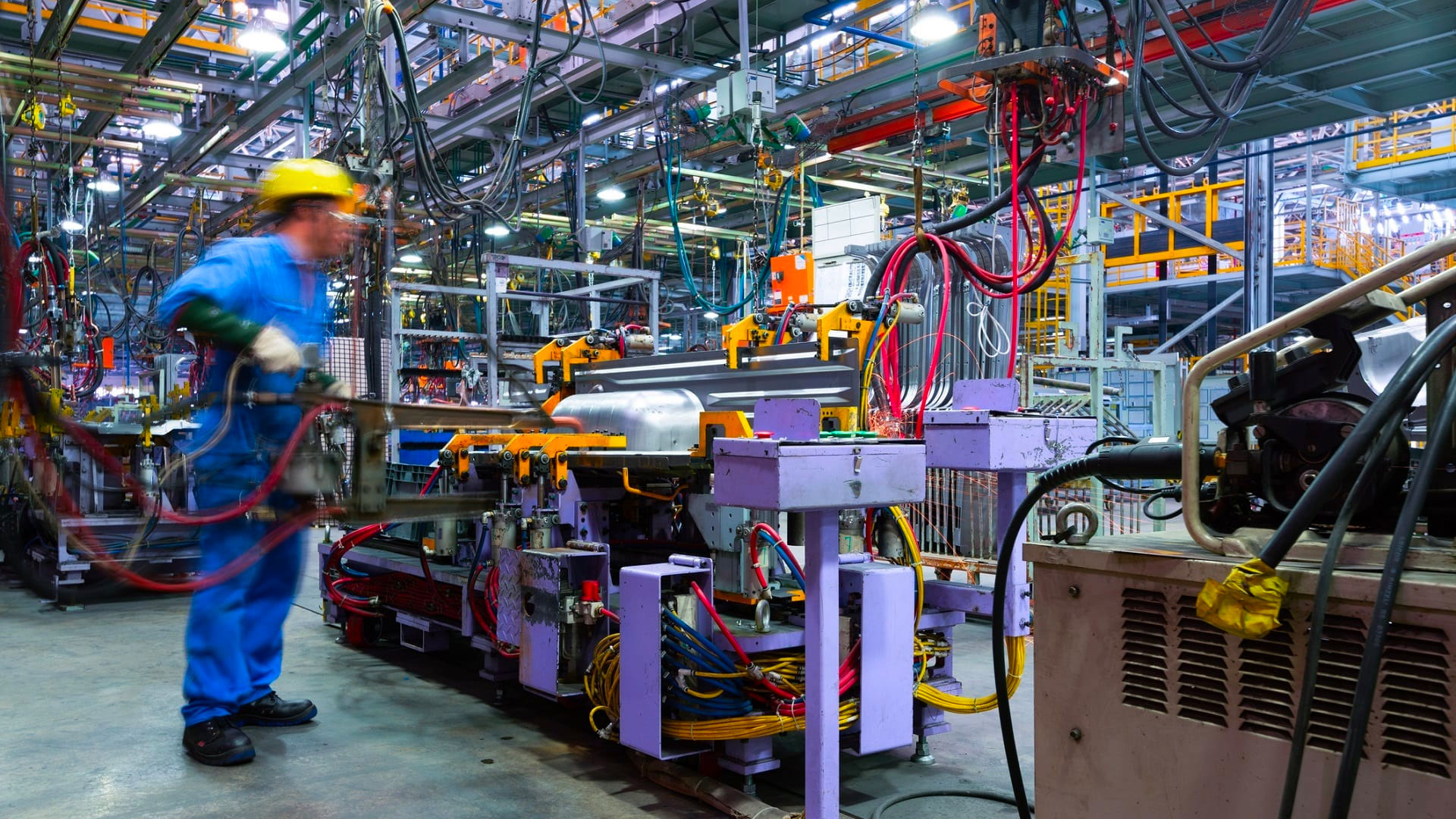 The Critical Manufacturing Sector is essential to the U.S. economy and national continuity, as disruptions or attacks on key manufacturing elements could impact essential functions across multiple critical infrastructure sectors. The sector’s core industries include Primary Metals Manufacturing, Machinery Manufacturing, Electrical Equipment, Appliance and Component Manufacturing, and Transportation Equipment Manufacturing.
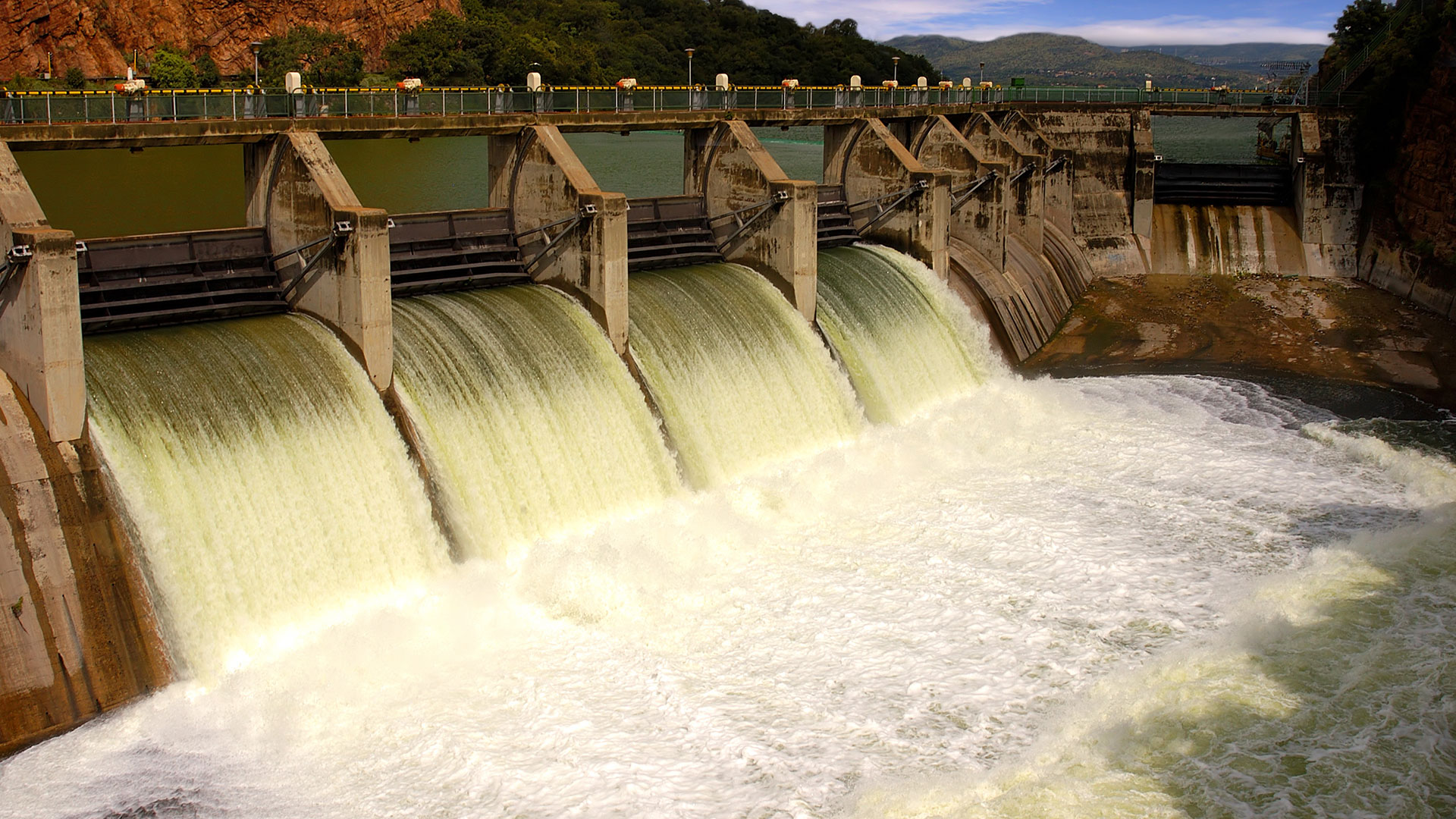 The Dams Sector delivers critical water retention and control services in the United States, including hydroelectric power generation, municipal and industrial water supplies, agricultural irrigation, sediment and flood control, river navigation for inland bulk shipping, industrial waste management, and recreation. Its key services support multiple critical infrastructure sectors and industries. Dams Sector assets irrigate at least 10 percent of U.S. cropland, help protect more than 43 percent of the U.S. population from flooding and generate about 60 percent of electricity in the Pacific Northwest.
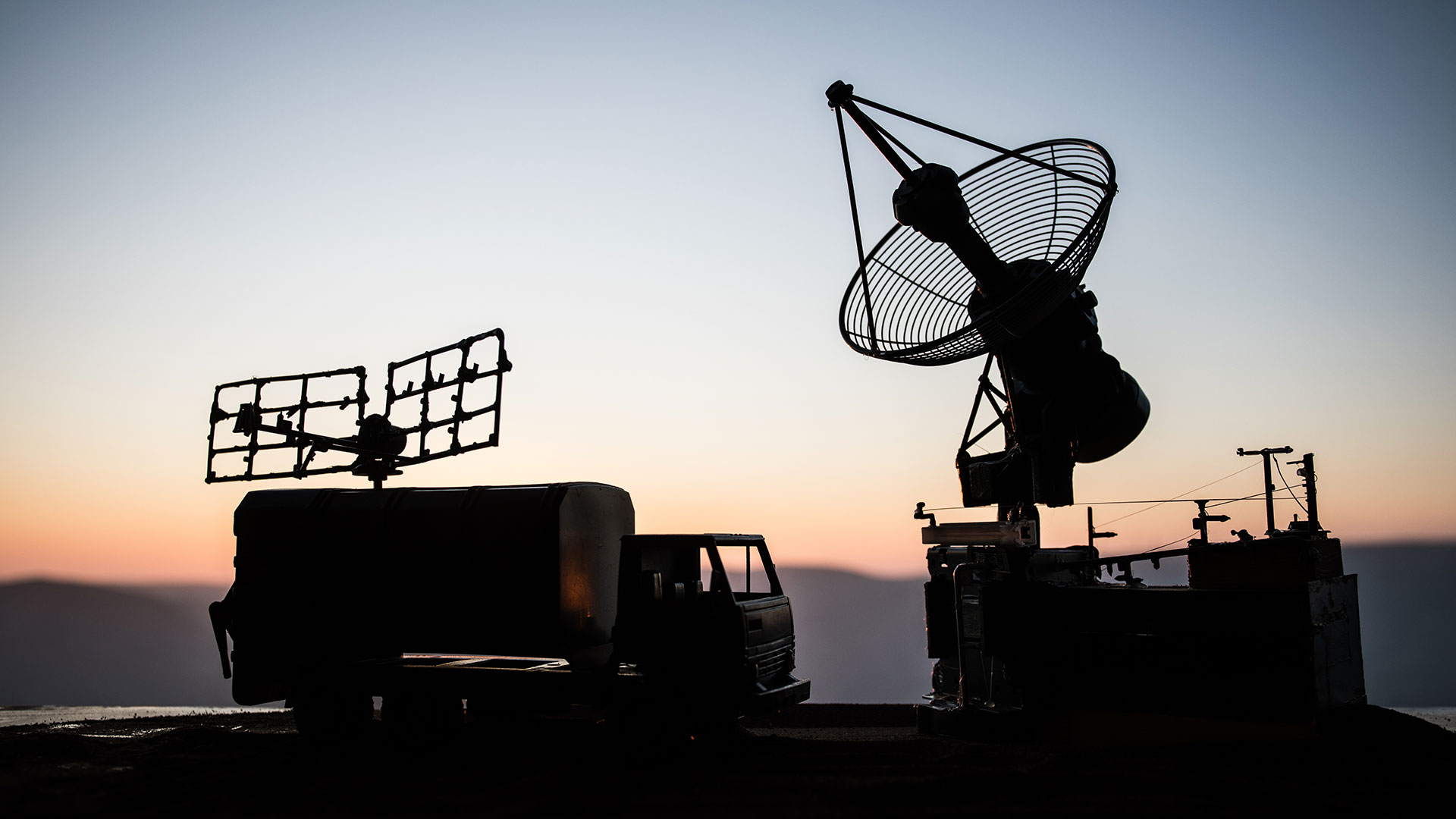 The Defense Industrial Base Sector is the global industrial system that supports the research, development, design, production, delivery, and maintenance of military weapons systems, subsystems, and components to meet U.S. defense needs. It includes Department of Defense components, over 100,000 companies and subcontractors, firms providing related materials and services, and government-owned/contractor- or government-operated facilities. These companies may be domestic or foreign, with operations in many countries. The sector is essential for mobilizing, deploying, and sustaining military operations. It does not include supporting commercial infrastructure such as power, communications, transportation, or utilities, which fall under other sectors.
 The Education Sector consists of nearly 130,000 institutions in the U.S., including about 117,000 primary and secondary schools, nearly 6,000 career and technical schools, and just under 4,000 degree-granting higher education institutions. School safety is essential for supporting student success, as secure learning environments promote academic achievement, engagement, and a sense of community. A safe school setting allows students to focus on learning, social development, and creative exploration, supporting their overall education and growth.
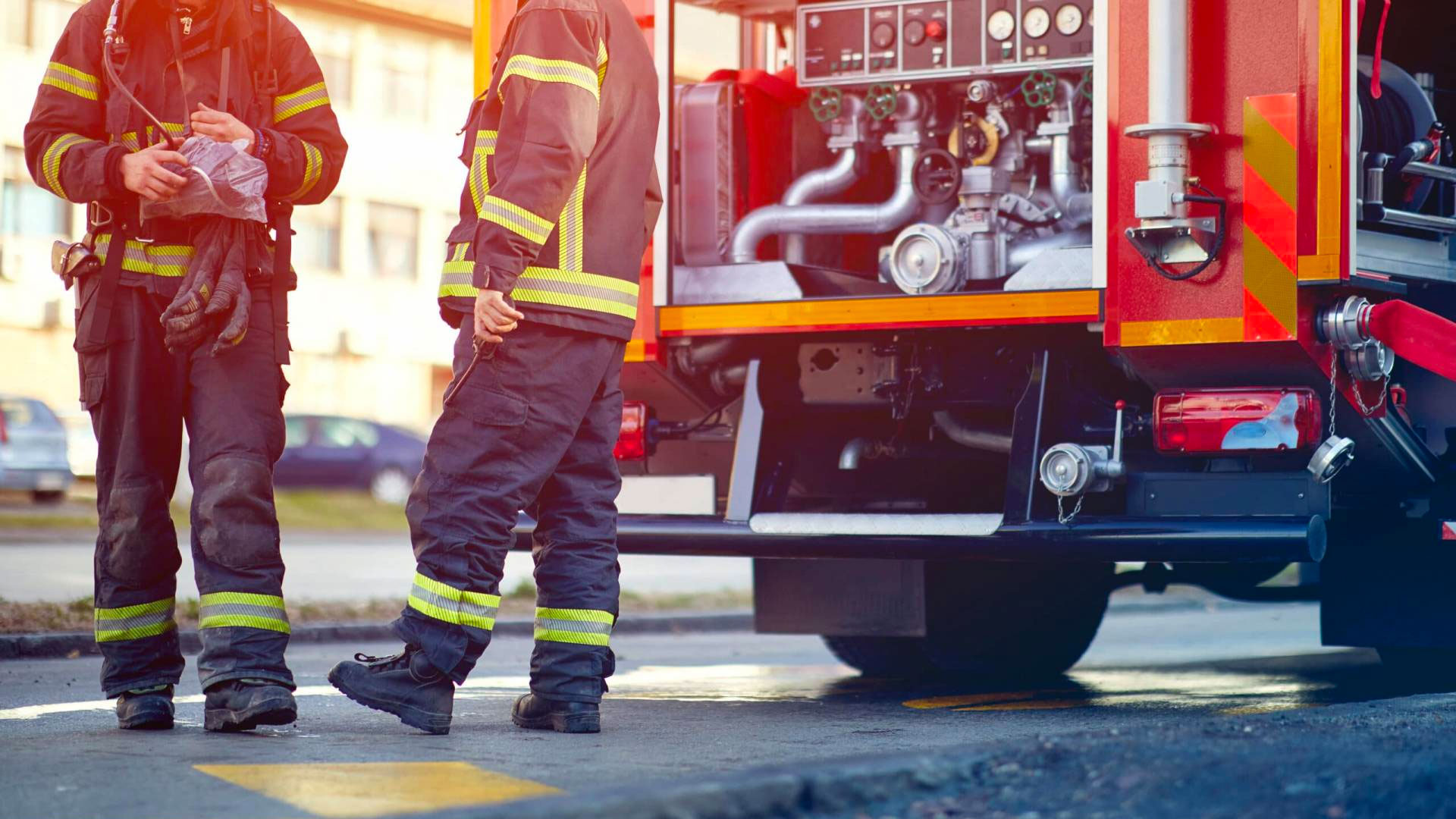 The Emergency Services Sector (ESS) is made up of millions of trained personnel and supporting physical and cyber resources that provide prevention, preparedness, response, and recovery services in both routine operations and emergency situations. It includes distributed facilities and equipment across federal, state, local, tribal, and territorial governments, such as police departments, fire stations, sheriff’s offices, military police and fire departments, and public works agencies. It also includes private sector services like industrial fire departments, private security organizations, and private emergency medical services providers.
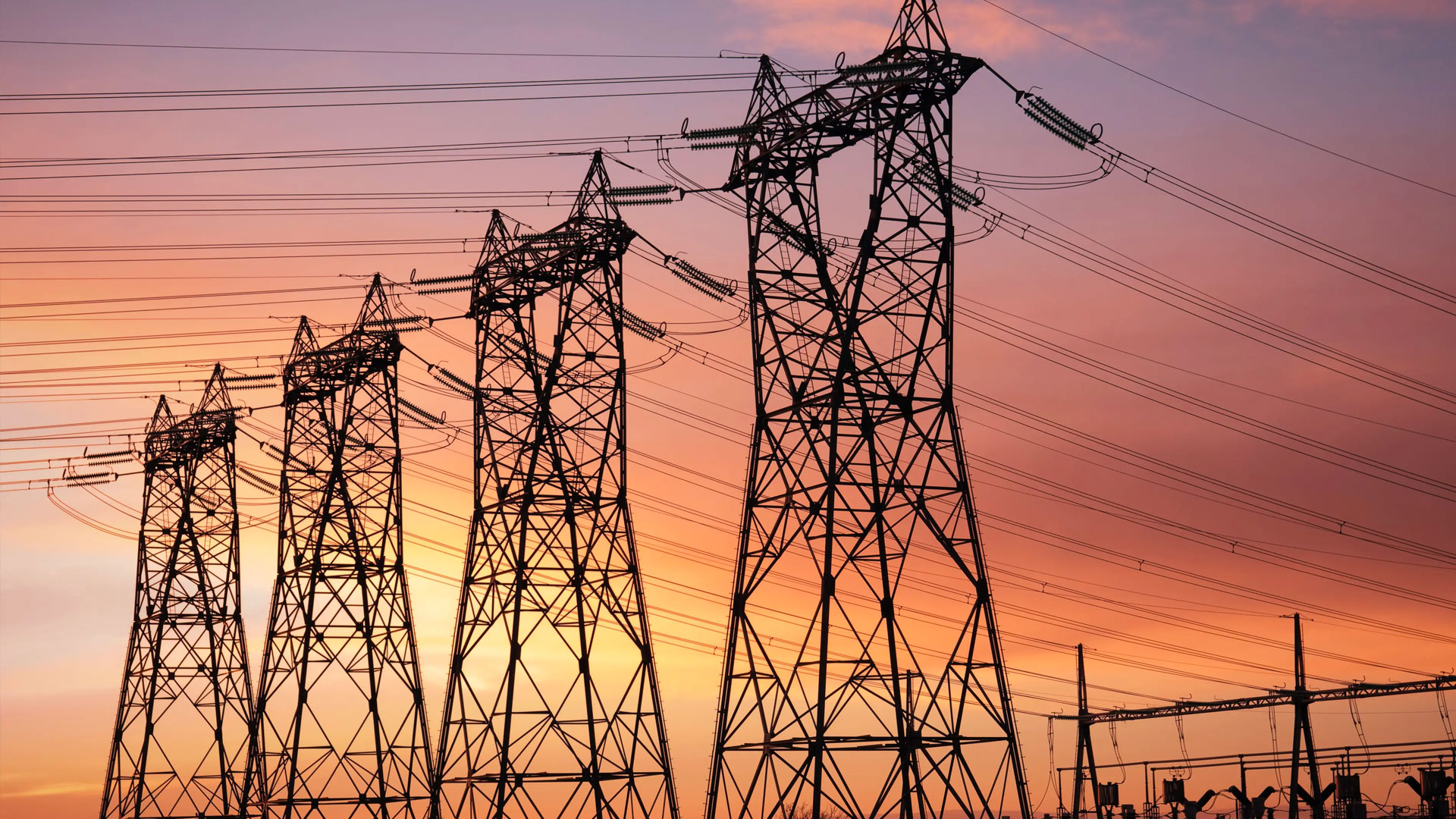 The Energy Infrastructure Sector is divided into three interconnected segments: electricity, oil, and natural gas. It powers the modern U.S. economy, and without a stable energy supply, public health, welfare, and economic activity would be severely impacted. It is considered uniquely critical because it provides an enabling function across all other infrastructure sectors. Over 80% of this infrastructure is privately owned and supplies fuel for transportation, electricity for homes and businesses, and other essential energy sources that support national growth and production.
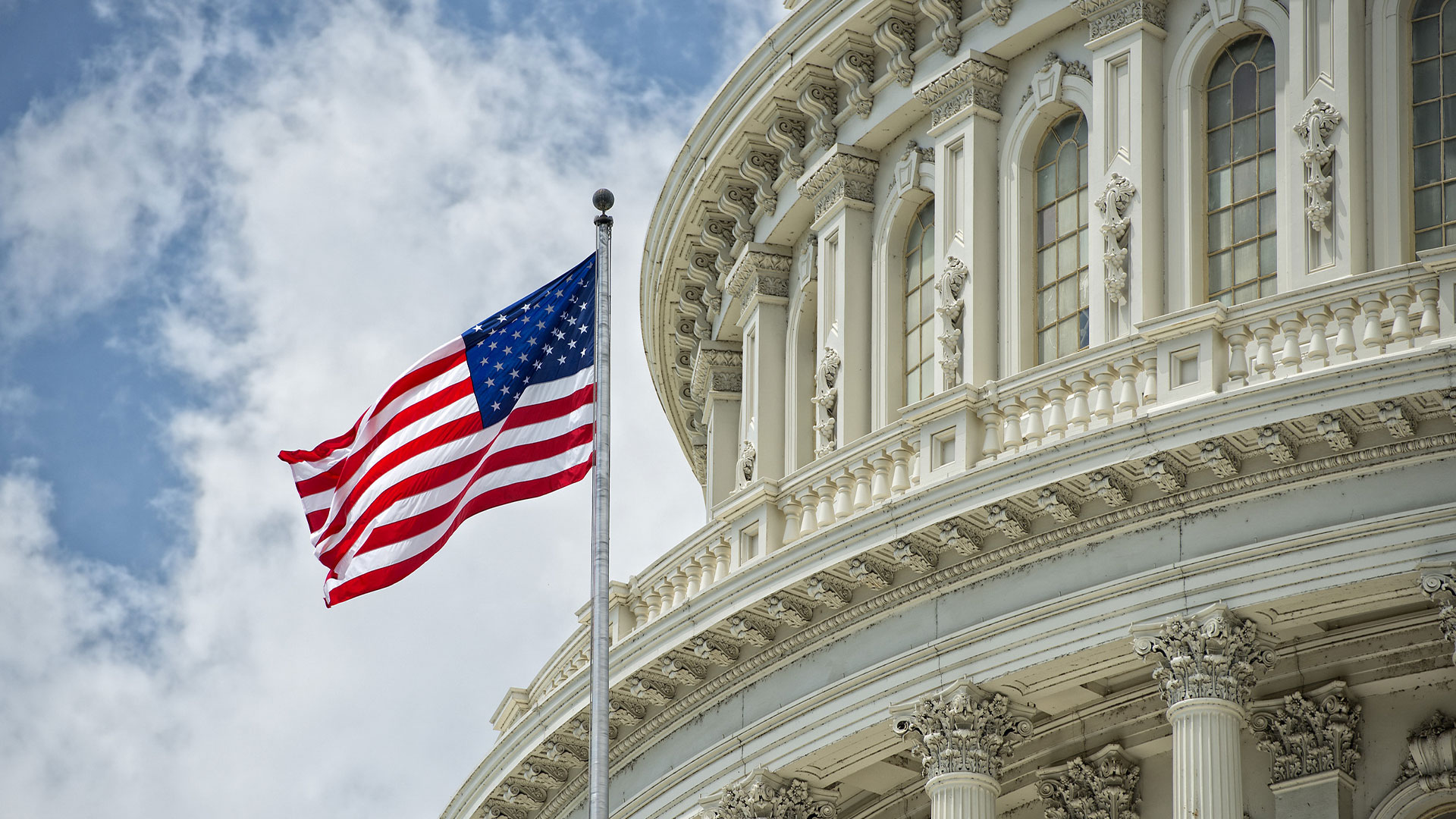 The Government Facilities Sector includes buildings in the U.S. and abroad that are owned or leased by federal, state, local, and tribal governments. Some are open to the public for services and transactions, while others are restricted and house sensitive information, materials, or operations. These facilities include office buildings, military installations, embassies, courthouses, national laboratories, and other sites that support critical systems and functions. The sector also includes cyber components like access control and surveillance systems, as well as personnel who carry out essential or sensitive government roles.
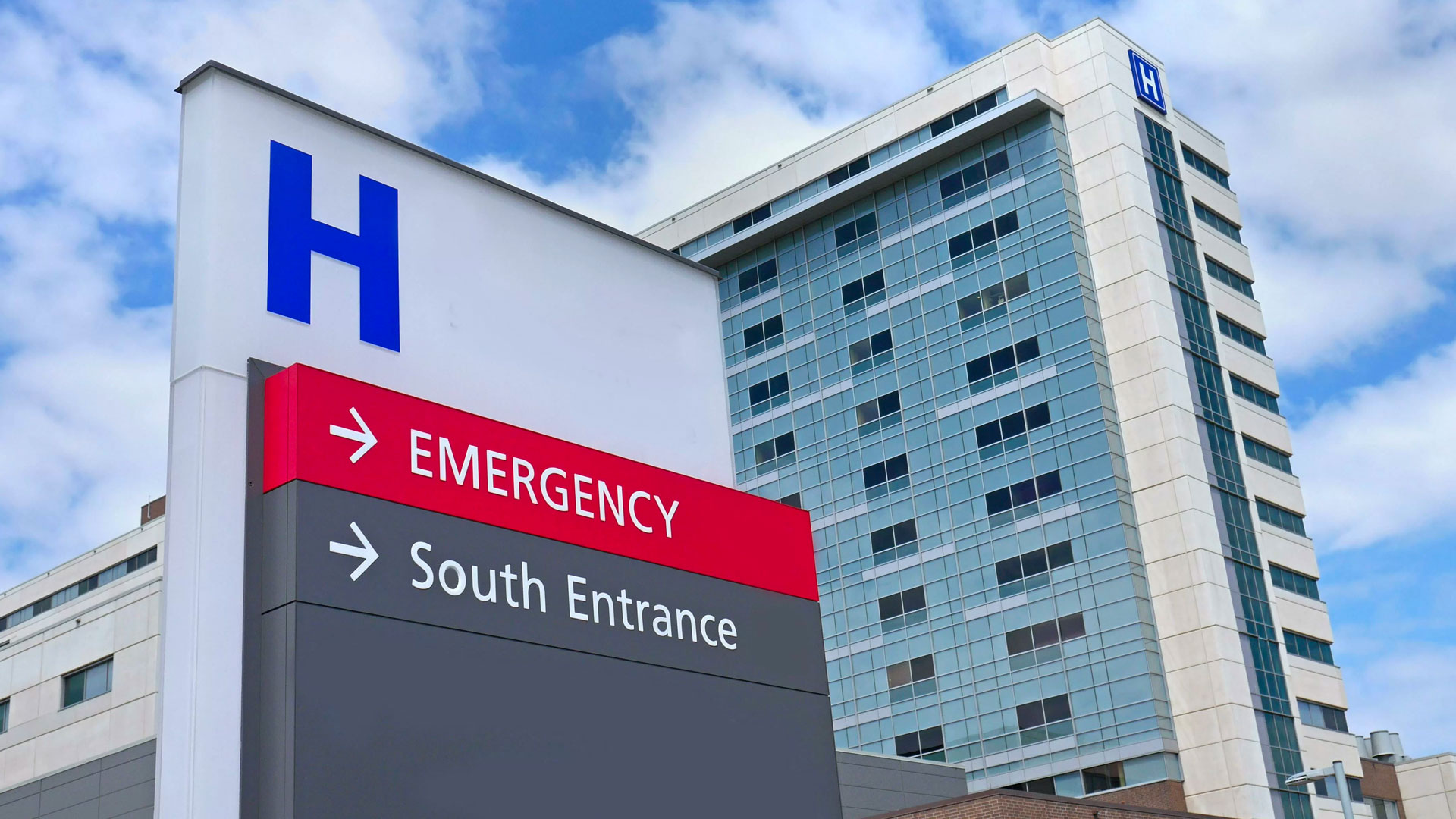 The Healthcare and Public Health Sector includes hospitals, medical centers, clinics, and related services that help protect people and other sectors from hazards such as terrorism, infectious disease outbreaks, and natural disasters. Most assets are privately owned and operated, making public–private collaboration and information sharing essential for resilience. Operating across all states, territories, and tribal areas, the sector is critical to response and recovery during emergencies.
Healthcare delivery is primarily local, while public health functions focus on population health and are managed at all levels of government. The sector is highly dependent on other critical infrastructure, including Communications, Emergency Services, Energy, Food and Agriculture, Information Technology, Transportation Systems, and Water and Wastewater Systems.
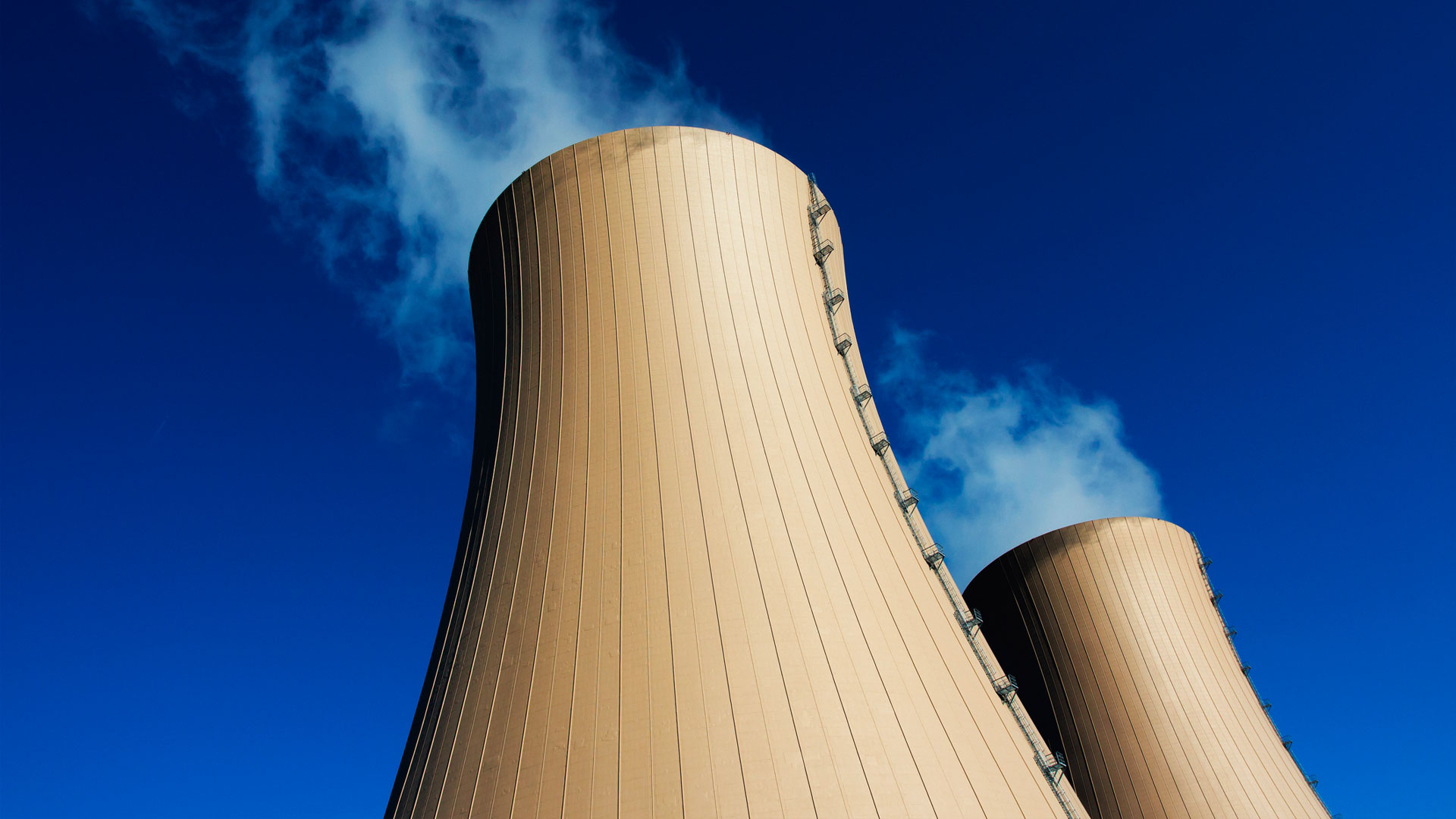 From the power reactors that provide electricity to millions of Americans, to the medical isotopes used to treat cancer patients, the Nuclear Reactors, Materials, and Waste Sector covers most aspects of America’s civilian nuclear infrastructure. The Nuclear Sector-Specific Agency within the Department of Homeland Security is responsible for coordinating the security and resilience of the Nuclear Sector.
 The Transportation Systems Sector enables the fast, safe, and secure movement of people and goods within the country and internationally. It is organized into seven key subsectors: Aviation, Highway and Motor Carrier, Maritime Transportation System, Mass Transit and Passenger Rail, Pipeline Systems, Freight Rail, and Postal and Shipping.
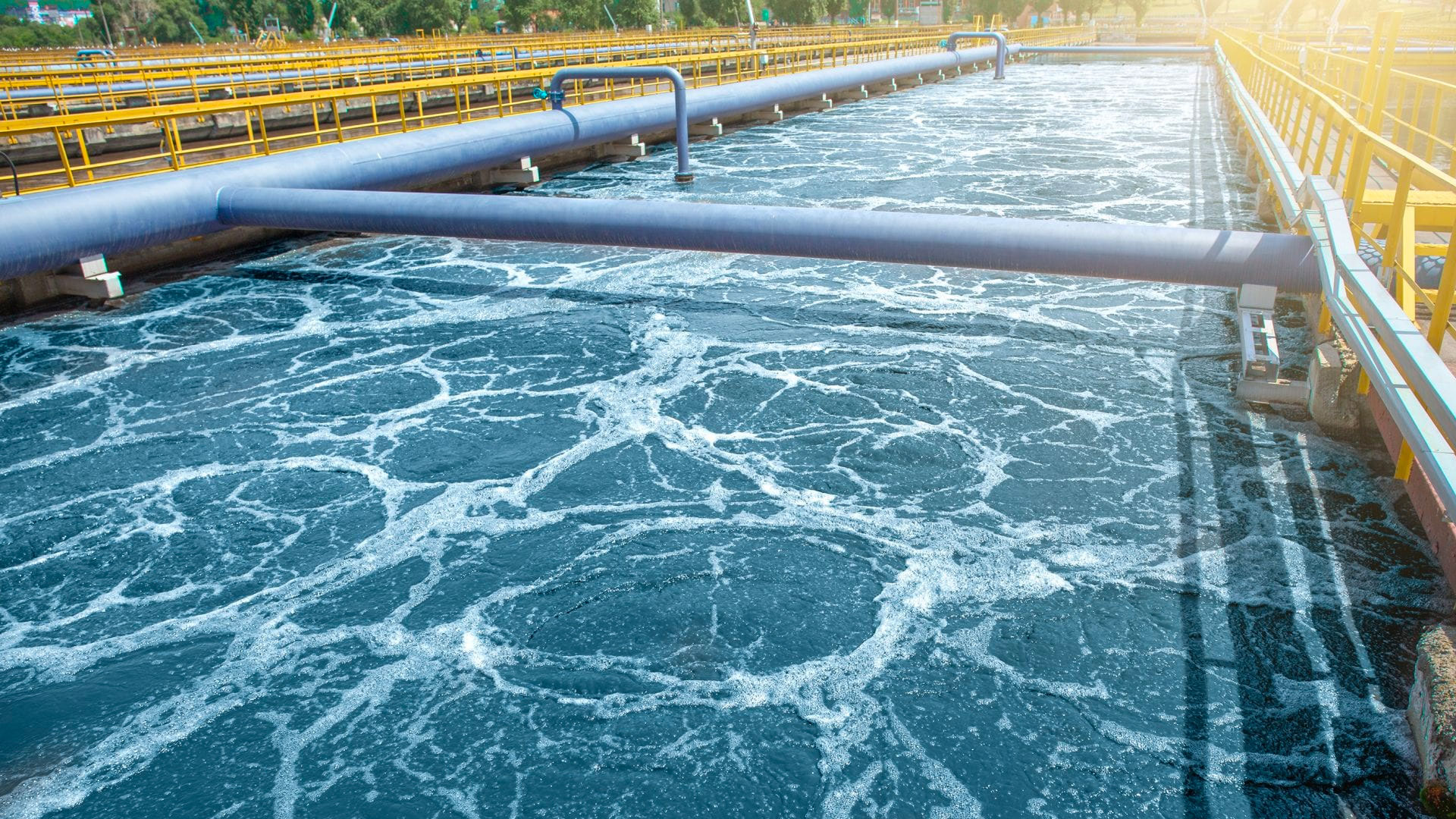 Safe drinking water and effective wastewater treatment are essential to public health, environmental protection, and the economy. The Water and Wastewater Systems Sector includes about 153,000 public drinking water systems and over 16,000 publicly owned wastewater treatment systems. More than 80% of the U.S. population relies on these systems for drinking water, and about 75% is served by wastewater treatment.
The sector is vulnerable to physical, cyber, and contamination attacks, as well as natural disasters, which could lead to illness, casualties, or widespread service disruption. Such disruptions would also impact dependent services like firefighting, healthcare, Energy, Food and Agriculture, and Transportation Systems.